
61st Street Season 2 concludes with a powerful and explosive finale,
"Judgement Day," that brings together the various threads of the narrative into
a dramatic climax. The episode masterfully weaves together courtroom drama,
personal turmoil, and systemic corruption, culminating in a series of shocking
revelations that will leave viewers on the edge of their seats.
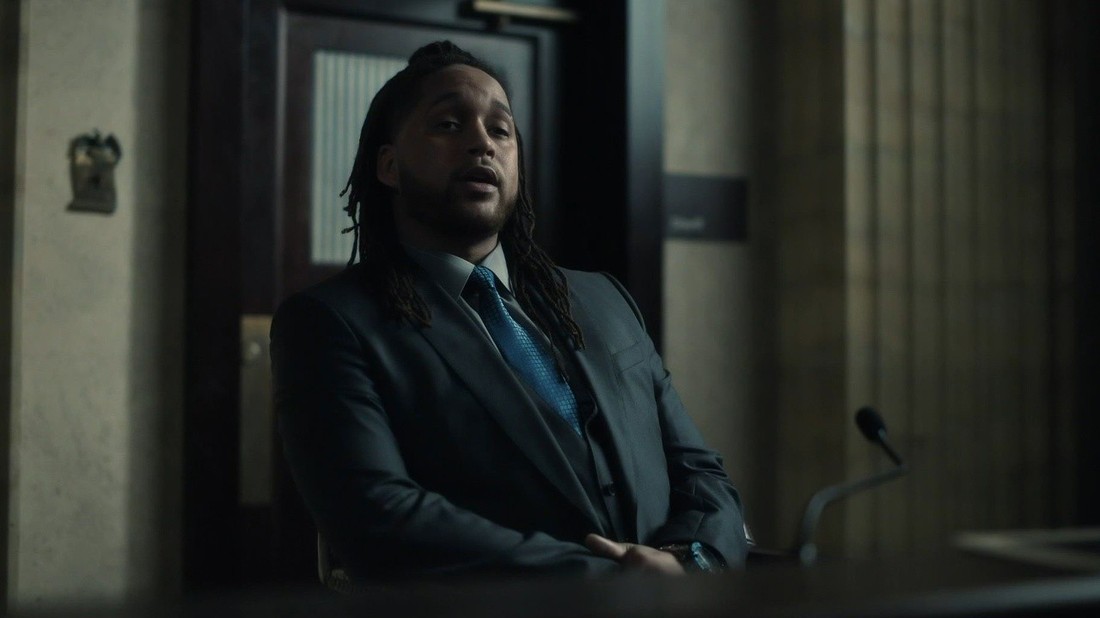
The episode opens with the tense atmosphere of the courtroom as the trial against Officer Logan reaches its culmination. The prosecution methodically builds their case, presenting a damning portrait of Logan as a volatile and dangerous individual. Dr. Prasad's detailed medical testimony, outlining the severity of Jalil Watts' injuries, serves as a stark reminder of the brutality of the crime. As the trial progresses, it becomes increasingly clear that Logan is not merely a rogue officer but a symptom of a deeper systemic problem.
Beyond the courtroom drama, the episode delves into the personal lives of the characters. The revelation of an undercover operation targeting Norma Johnson adds a shocking twist to the narrative, exposing the depths of the police department's infiltration into the community. This development not only highlights the personal stakes involved in the case but also raises questions about the extent of the corruption within the city.
The episode's climax is a series of dramatic revelations that shake the foundations of the city. The indictment of the Mayor is a particularly shocking development, as it exposes the extent to which corruption has permeated the highest levels of government. The implication of numerous high-ranking officials in a conspiracy to protect their own interests sends a powerful message about the challenges faced by those seeking justice.
The episode's final scene, featuring a choir singing amidst the turmoil, is a poignant reminder of the resilience of the human spirit. The song symbolizes hope and unity, suggesting that despite the challenges faced by the community, it will ultimately prevail.
"Judgement Day" is a testament to the power of storytelling. The episode effectively balances complex legal proceedings with intimate character studies, creating a rich and immersive viewing experience. By exploring themes of justice, corruption, and resilience, the series offers a thought-provoking commentary on contemporary society.
Key themes explored in this episode include:
Systemic Corruption: The episode exposes the deep-rooted corruption within the Chicago Police Department and the city's political establishment, highlighting the challenges faced by those seeking justice.
The Power of Truth: The trial serves as a catalyst for uncovering the truth about the events surrounding Jalil Watts' death, exposing a web of lies and deceit.
Community and Resilience: Despite the challenges they face, the community remains resilient and united in their pursuit of justice.