
"A severed hand and a chestnut man set off a years-spanning, blood-soaked revenge."
The Chestnut Man is a Danish suspense drama produced by Netflix, adapted from a best-selling novel. With 6 episodes in total, it features a tight pace and brain-teasing cases, earning it the title "the Nordic version of The Silence of the Lambs" among netizens.
The story begins in 1987, when a brutal mass murder shocks the entire city.
Police discover three bodies in a farmhouse, with the sole survivor being a little girl curled up in the basement.
She is covered in dirt, her eyes vacant, and the room is filled with eerie "chestnut men"—twisted, uncanny dolls made from chestnuts and matches.
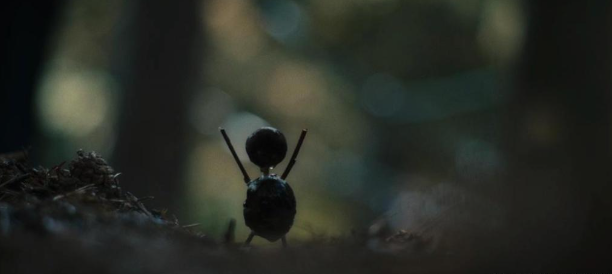
Years later, in October in Copenhagen, a woman is brutally murdered. When her body is found, one hand is severed, and a chestnut man is placed beside her.
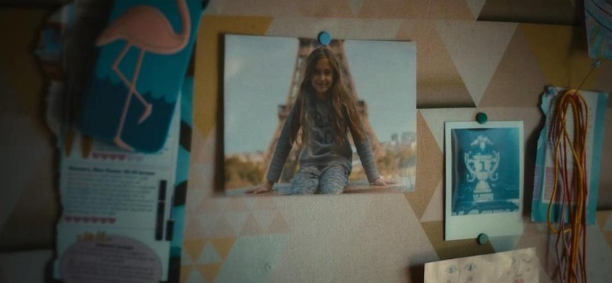
What’s more, this chestnut man bears the fingerprints of Christine, a missing girl who was declared dead a year earlier.
She is the daughter of Denmark’s newly appointed female minister of politics.
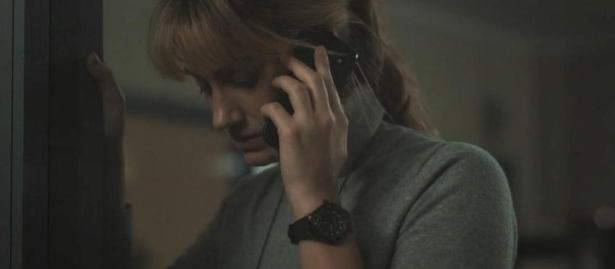
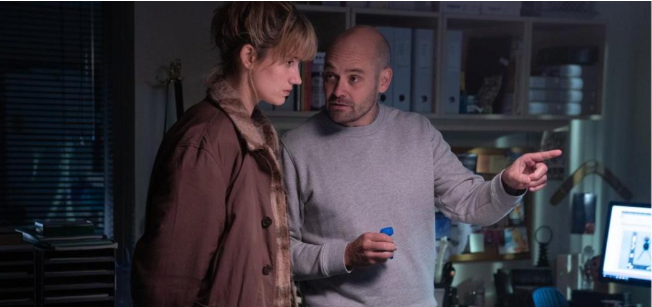
The police assign the female lead, Thulin, to investigate the case. She had intended to transfer to the cybercrime unit but temporarily takes on this suspicious case.
Her partner is the eccentric Hess, a veteran detective who once worked for Interpol.
He is silent and calm, yet seems unusually obsessed with the case.
As the investigation progresses, Thulin realizes this is not an isolated incident.
Another woman is killed, with the same modus operandi—same loss of the left hand, same chestnut man left behind...
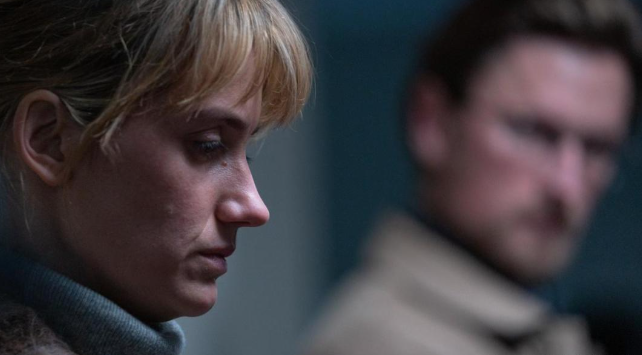
The police begin to realize they are dealing with a serial killer.
Each body seems to be linked to lingering "judicial oversights" from past cases.
The most strange part is that Christine’s body has never been found.
The confession of the suspect who pleaded guilty back then is riddled with doubts. Hess secretly reopens the old case, and the deeper he digs, the more he discovers that the truth is far more complicated than the original verdict...
The core of the case gradually emerges: the killer seems to be using a "violence begets violence" approach to "avenge" those innocent souls who were ignored and sacrificed, with the "chestnut man" as his signature...
The brilliance of The Chestnut Man lies in how it uses a series of appalling murders to expose the coldness of society and systemic loopholes.
It doesn’t rely on sensationalism; instead, through interconnected cases, layered plot twists, and a uniquely Nordic cold aesthetic, it draws viewers step by step into the abyss of truth...