
The story takes place at Continental Pictures, a historic film studio in Hollywood.
Matt (played by Seth Rogen) has worked at Continental Pictures for 22 years, starting as a lowly assistant and working his way up to producer. Over the years, he has been diligent and dedicated, contributing significantly in his role.
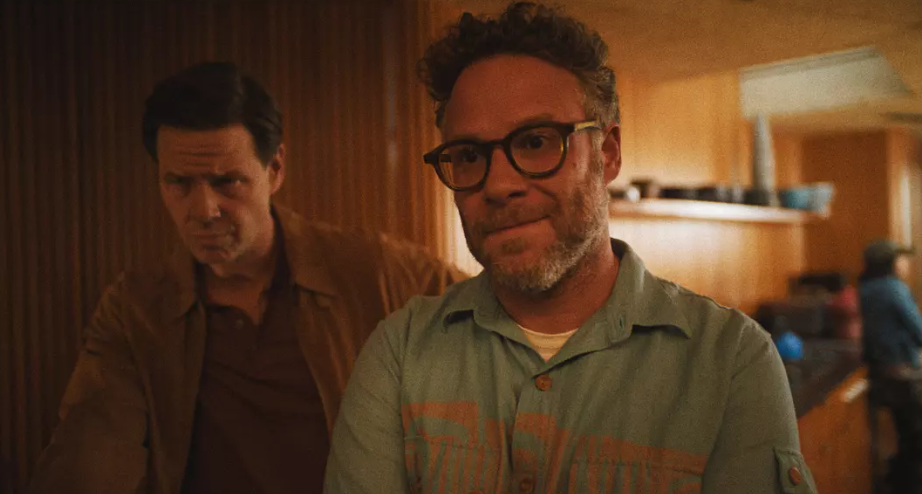
Though he has overseen many successful projects and brought substantial profits to the compan he remains a second-in-command.
Not only is he often brushed off by A-list directors and actors, but he’s also never invited to star-studded parties.
One day, Matt learns that his boss, Patty, has been fired after a streak of ten consecutive box office flops.
The studio’s owner approaches Matt, considering him for Patty’s position, but harbors a concern: Matt has a soft spot for unprofitable art-house films, and the company’s ultimate goal is profitability.

Thus, the owner sets a condition: upon taking office, Matt must develop a blockbuster film for all age groups based on the classiy,c beverage IP "Kool-Aid."

Matt has always focused on making "good films," believing they should balance artistry rather than fixate solely on box office numbers.
But in the owner’s eyes, those "pretentious" art-house films are nothing but "money pits."
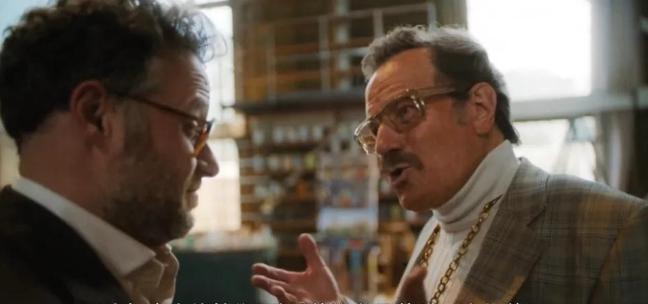
If Barbie—a hot IP—could achieve both fame and fortune, they could replicate that success with a Kool-Aid IP blockbuster. Though he disagrees with the owner’s view, Matt has waited too long for this opportunity, so he readily accepts the terms.
However, he can’t quite let go of his love for art films.
In a meeting with his team, he proposes a strategy to "excel at both art and box office, with neither neglected."
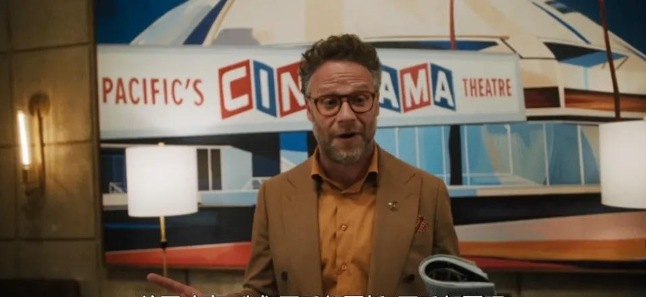
First step: find a renowned director with an artistic flair.
He reaches out to the agents of big-name directors like Wes Anderson and Guillermo del Toro, only to be rejected across the board.
The agents explain that even with a huge budget, these acclaimed directors refuse to stoop to such a "trivial" project.
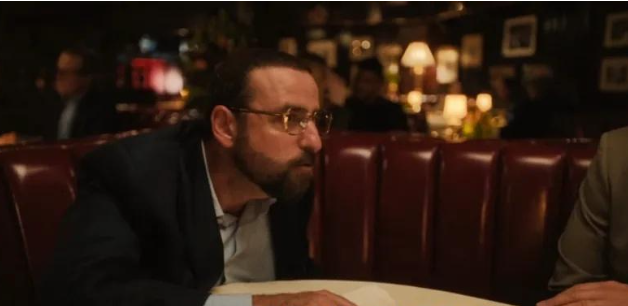
They then recommend Nicholas Stoller—someone with solid credentials, known for films like Yes Man and Storks.
Stoller delivers a safe, formulaic script: a heartwarming tale of family, love, and reconciliation.

But it doesn’t meet Matt’s standards.
As his first project as the new head, Matt longs to leave a lasting legacy, so he believes the story needs more depth and emotional resonance.
Yet the owner is pressing for a quick decision on the director.
Just as Matt prepares to submit Stoller’s name, Martin Scorsese pitches him a film.
The elderly director even seems a bit sheepish about the high budget.
The film centers on the Jonestown cult massacre, exploring themes of cults, hero worship, and mass suicide.
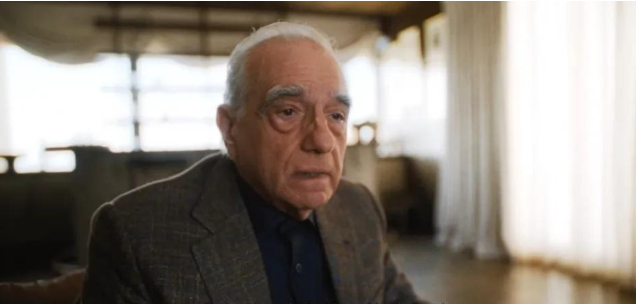
This globally shocking event, second only to 911 in casualties, saw many victims die from drinking Kool-Aid laced with cyanide, sedatives, and Phenergan.
Scorsese describes it vividly, emphasizing its grandeur, darkness, and relevance to Kool-Aid.
In a way, how could this not be a Kool-Aid movie?
It perfectly aligns with Matt’s desire for a renowned director and a profound story.
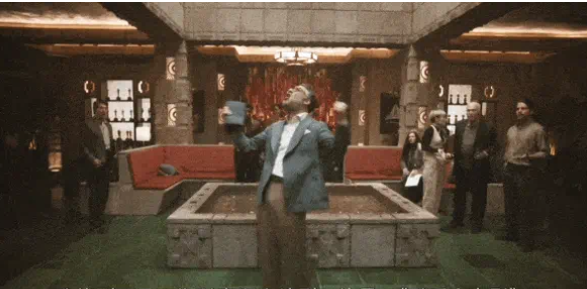
Eagerly, Matt adds $50 million to Scorsese’s proposed budget and throws in an extra $10 million to buy the script. However, this "wise move" fails to win support from other executives—especially once they learn the story’s subject.
Despite the backlash, Matt insists on working with one of the greatest directors of all time.
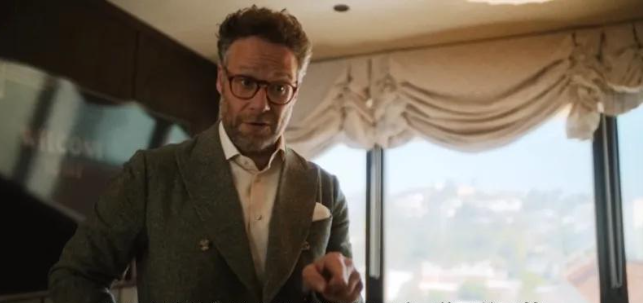
But when it comes to report to the owner, Matt loses his courage.
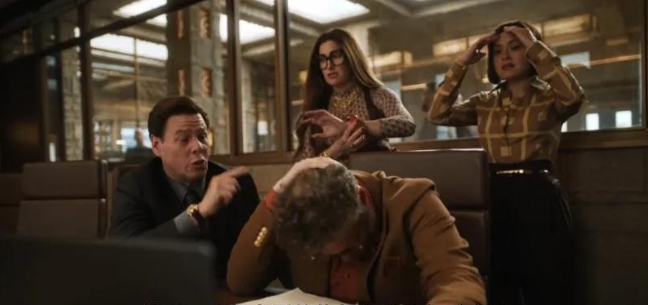
Instead of pitching Scorsese’s idea, he presents Stoller’s "safe" script.
The owner loves it. In one fell swoop, Matt betrays two people: he breaks his promise to Scorsese, and pulls the plug on Stoller just as they’re about to sign.
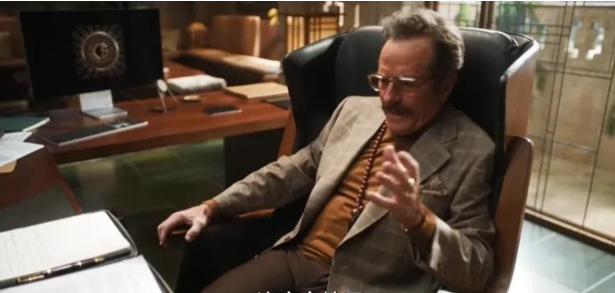
Desperate to salvage the owner-approved script, Matt has to apologize in person...

In the end, Matt surrenders to reality, caught between commerce and art—a reflection of the universal dilemma facing most filmmakers.
Scorsese, who wanted to tackle a serious subject, is stifled by commercial demands. When discussing the Jonestown film’s title, Matt suggests simply Kool-Aid.
Scorsese’s deadpan reaction says it all: he’s appalled, but the budget is too tempting to refuse.
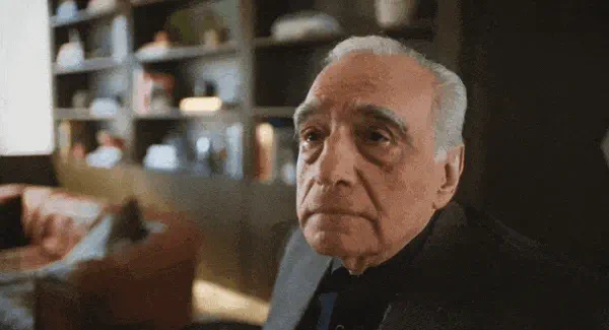
The show uses absurdity to highlight traditional Hollywood’s struggle under capital’s grip, while streaming platforms—with their high budgets and low interference—offer filmmakers a "sanctuary" amid the eternal art-commerce conflict.
After Matt backs out, the furious Scorsese roars that he’ll sell his new film to Apple TV+.
Notably, Killers of the Flower Moon—a real-life Apple TV+ production—earned 10 Oscar nominations.
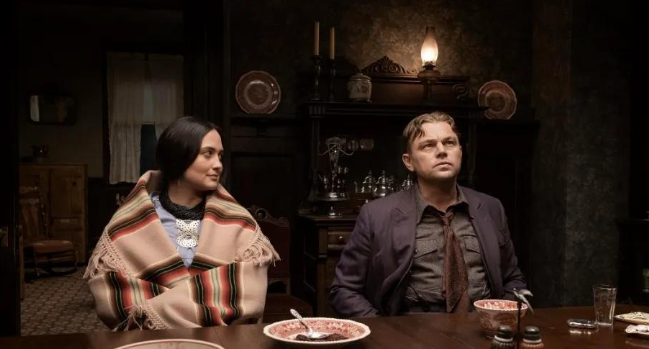
The series also satirizes Hollywood’s system.
Every time Matt visits a set, he’s the one spouting endless "brilliant" ideas, disrupting the director’s vision.

Once, he derails the entire shoot, leaving the ending unfilmed—just as the lead actress is set to leave with no availability for months.
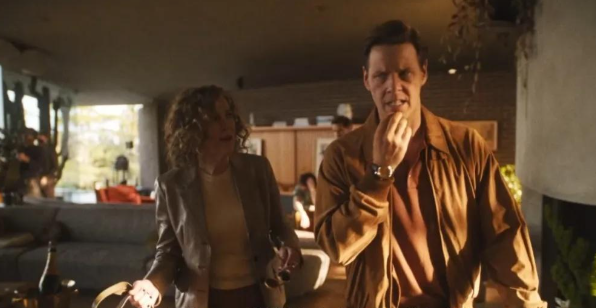
Yet when asked to critique Ron Howard’s tedious new film, Matt clams up, traumatized by Howard’s reputation for being petty and vindictive.

This exaggerated portrayal of Matt’s workplace woes absurdly yet truthfully mirrors industry dynamics.
He is both a collaborator and a victim of the system.
In power, he decides a film’s fate, yet he can’t truly control its creative direction—reduced to an "executive tool" in the capital chain.
Even sadder is his helplessness: he once loved cinema, but now fears his work is destroying it.

Many will relate to Matt’s predicament—most people become who they have to be, not who they want to be.