
On August 20th, just yesterday, "Black Myth: Wukong," developed by the Chinese game developer Game Science, was released worldwide, causing a sensation on the Internet. It has not only made waves in China but has also transcended borders, becoming a focal point of discussion among global players and cultural enthusiasts. With its exquisite graphics, smooth action design, and profound cultural background, the game has once again placed the image of the Monkey King at the center of public attention. Today, let's talk about the portrayal of the Monkey King in various film and television works, as well as the spiritual demeanor he represents.
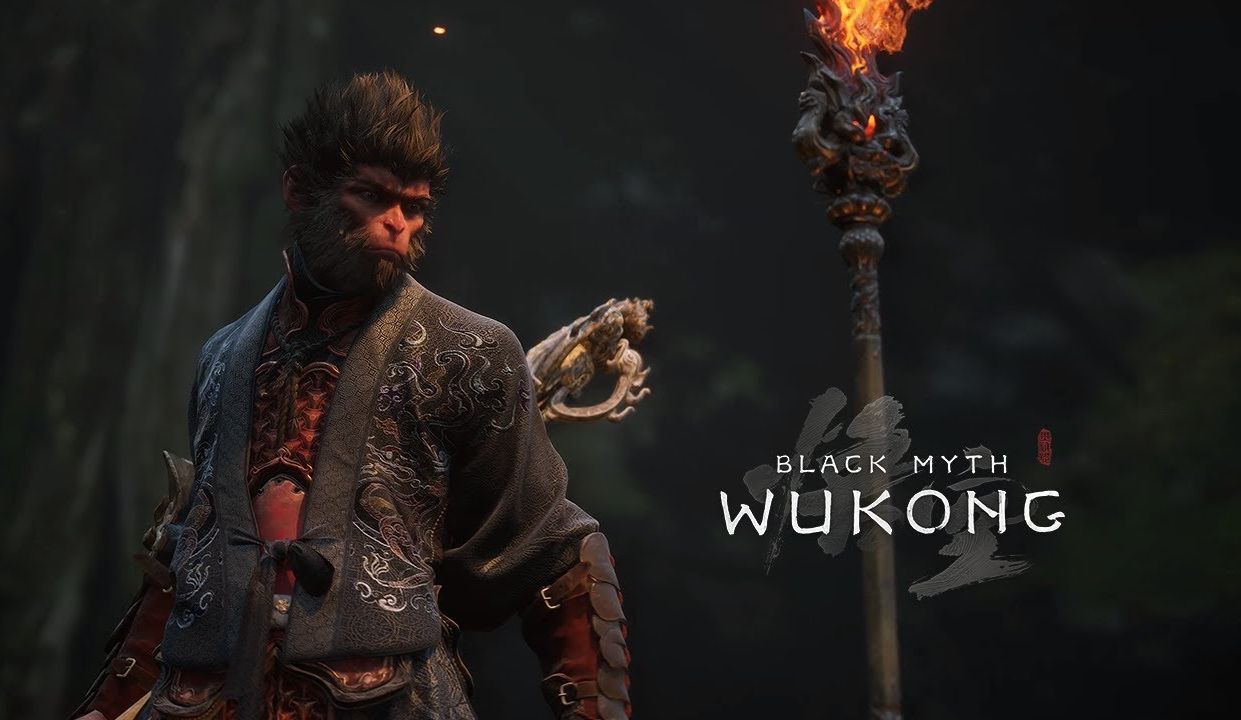
Sun Wukong, the main character in the classic Chinese novel "Journey to the West," has a rich and complex image with multiple origins. Here is a summary based on the information provided:
The Legend of Wuzhiqi: Lu Xun believed that Sun Wukong's image might have originated from the ancient Chinese mythological figure Wuzhiqi. Described in "Shan Hai Jing" (Classic of Mountains and Seas), Wuzhiqi is depicted as a monkey-like creature with divine powers, who was subdued by Yu the Great during the control of the floods and locked under the Turtle Mountain.
The Indian Monkey God Hanuman: Hu Shi suggested that Sun Wukong might have been influenced by the Indian epic "Ramayana," featuring the monkey god Hanuman. Hanuman is known for his extraordinary strength and ability to change forms, a prominent figure in Indian mythology.
The Tang Dynasty Monk Che Fengchao (Wukong): Some argue that Sun Wukong's prototype could be the Tang Dynasty monk Che Fengchao, who traveled to the Western Regions and brought back Buddhist scriptures, sharing a similar journey to obtaining sacred texts. Che Fengchao's monastic name "Wukong" is similar to Sun Wukong's name, and his master was also referred to as "Tripitaka Master."
The Western Region's Shi Pan Tuo: Shi Pan Tuo was a brief companion of Xuanzang during his journey to the West. Although he gave up out of fear, his image might have provided inspiration for the creation of Sun Wukong.
Influence of Taoist Culture: Sun Wukong's image might also have been influenced by traditional Chinese culture, especially Taoism. For example, the story of the water god Wuzhiqi was widely circulated during the Tang Dynasty, and its image of a monkey spirit may be related to Sun Wukong.
Folklore and Oral Literature: Sun Wukong's image may also stem from folk tales and stories told by storytellers, which have been enriched and developed over time, eventually forming the Sun Wukong we know today.
Modern Cultural Products: The image of Sun Wukong still has a broad influence in modern times, such as the game "Black Myth: Wukong," which is based on Sun Wukong and showcases the enduring charm of this classic image in contemporary culture.
Sun Wukong: From Classical Literature to Modern Screen
The name Sun Wukong originates from the classic Chinese novel "Journey to the West," where he is one of the main characters. Known for his wit, bravery, and boundless abilities to transform, Sun Wukong is the senior disciple of Tang Sanzang, who protects his master on the journey to the West to obtain sacred scriptures, enduring eighty-one hardships before ultimately achieving enlightenment.
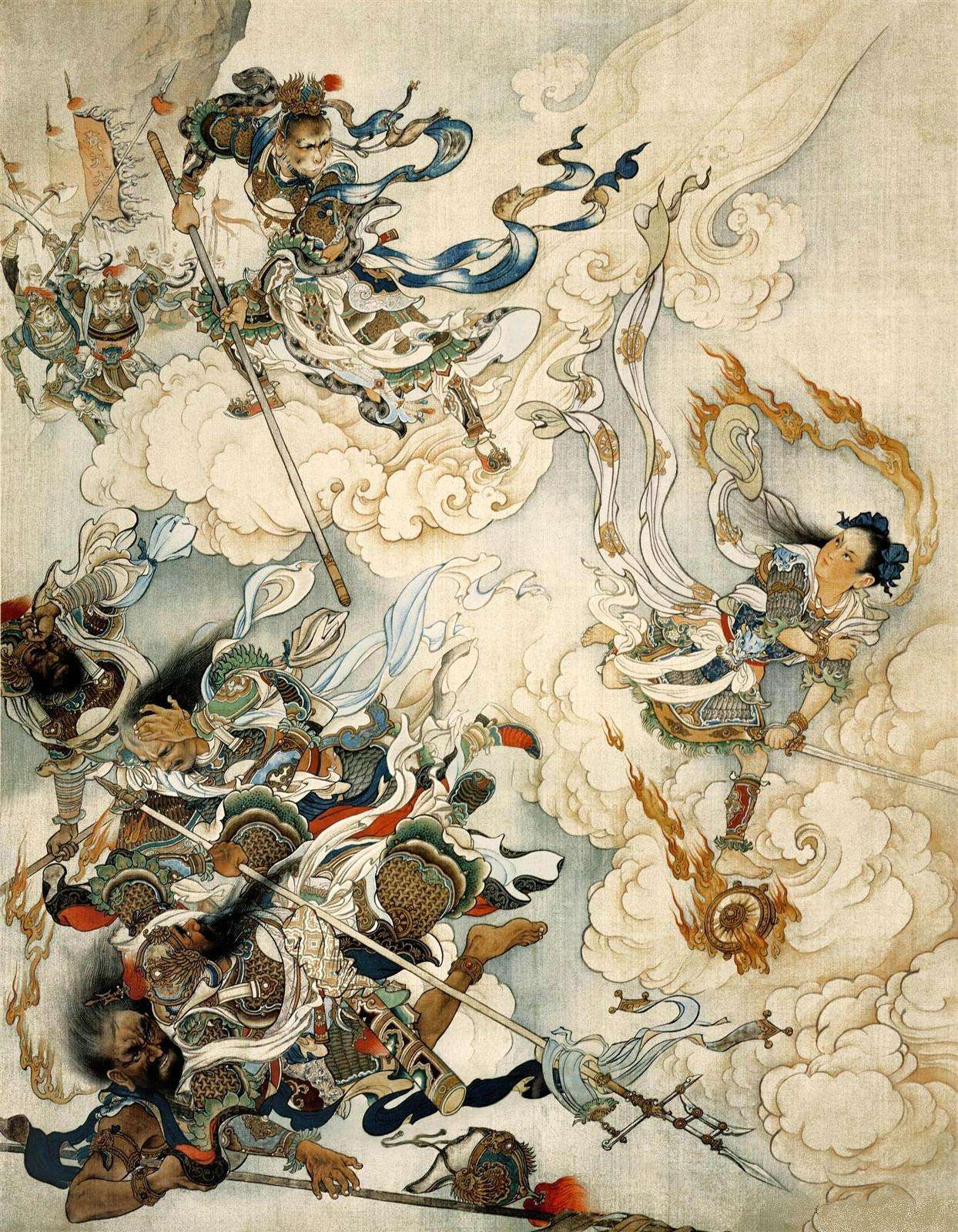
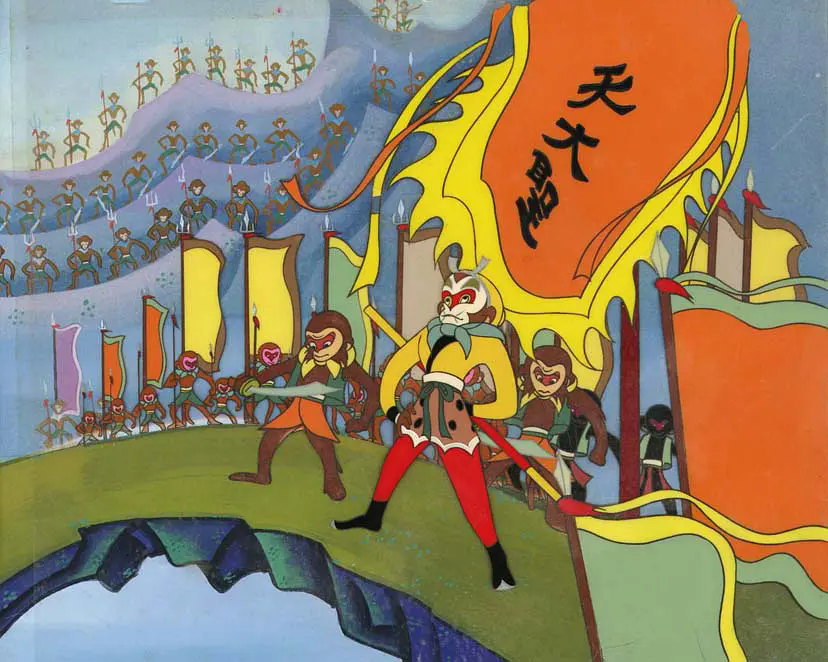
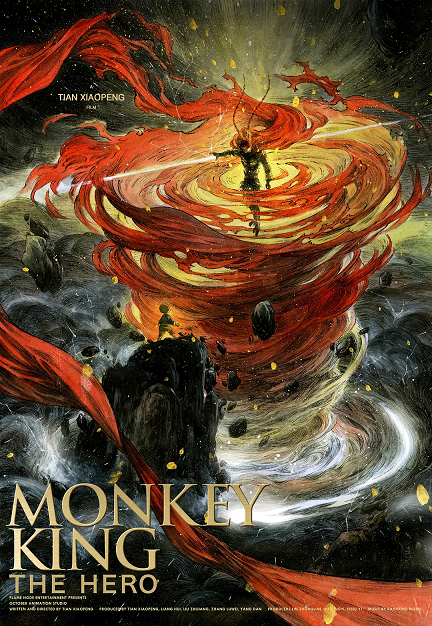
In various film and television adaptations, the image of Sun Wukong takes on many forms. In the 1961 animated film "Havoc in Heaven," he is portrayed as a rebellious and resourceful Great Sage. In the 1986 television series "Journey to the West," Liu Xiao Ling Tong's portrayal of Sun Wukong is more humanized, showcasing his loyalty and courage. By the 2015 animated film "Monkey King: Hero Is Back," Sun Wukong is depicted as a hero who, after experiencing setbacks, rediscovers his true self.
1. "Havoc in Heaven" (1961): A Classic Animated Image
"Havoc in Heaven" is a milestone in Chinese animated film, creating a Sun Wukong who is both rebellious and resourceful. In this animated film, Sun Wukong is loved by audiences for his distinct personality and exaggerated movements. Compared to the original work, the Sun Wukong in the animation is more humanized, with his playfulness and wit amplified, while the arduous journey of obtaining scriptures is simplified to highlight his spirit of defying the heavenly court and pursuing freedom.
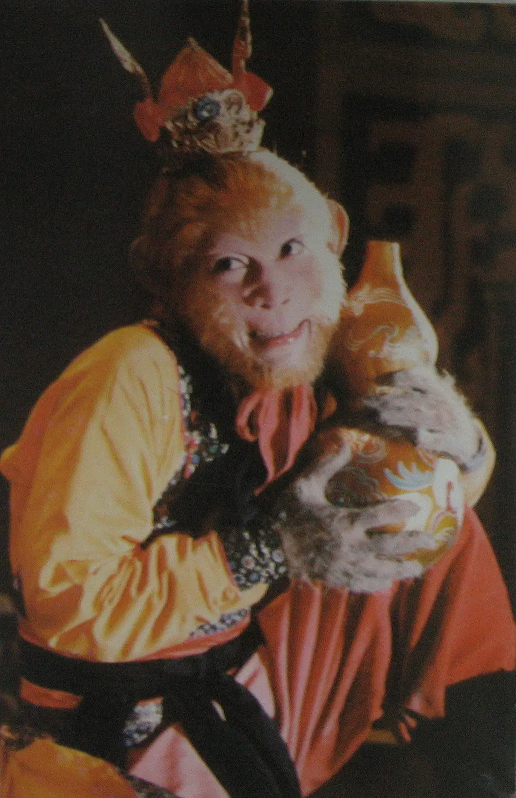
2. 1986 Edition "Journey to the West": The Timeless Image of Liu Xiao Ling Tong
Liu Xiao Ling Tong's portrayal of Sun Wukong in the 1986 television series "Journey to the West" is a classic image in the hearts of many. This series more faithfully restores the plot of the original work, and Liu Xiao Ling Tong's performance vividly displays Sun Wukong's loyalty, bravery, and boundless abilities. Compared to the original work, the TV series pays more attention to the portrayal of the characters' emotions, allowing the audience to resonate more deeply with Sun Wukong.
3. "Monkey King: Hero Is Back" (2015): Innovative Interpretation of Modern Animation
The 2015 animated film "Monkey King: Hero Is Back" brings new vitality to the image of Sun Wukong. In this film, Sun Wukong experiences a process from frustration to rediscovering his true self, showing a deeper and more complex heroic image. Compared to the original work, Sun Wukong in the movie pays more attention to the portrayal of his inner world, and also adds more modern elements, such as visual effects and action design, making it more in line with the aesthetics of modern audiences.
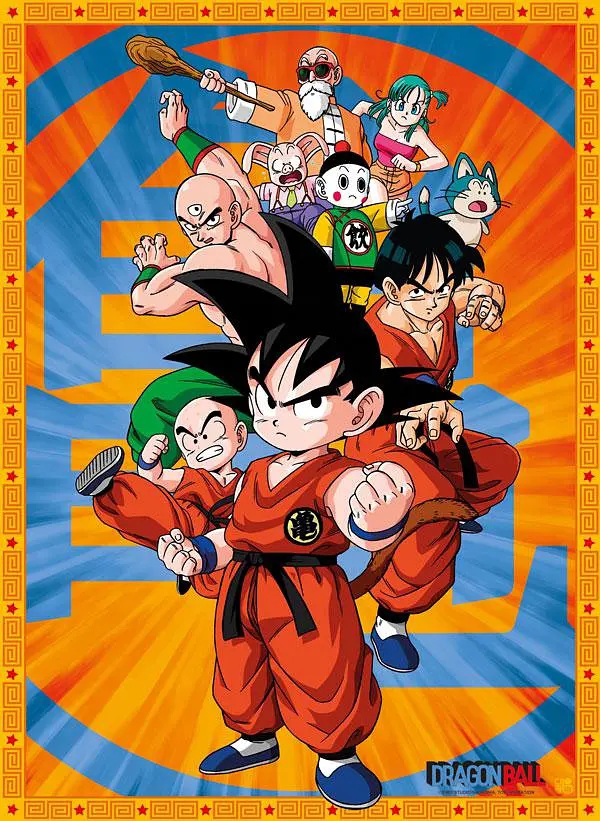
Internationally, the image of Sun Wukong is also reflected, such as in the Japanese animation "Dragon Ball" where Sun Wukong, although quite different from the original work, is still loved for his brave and upright image. These works, although different from the original in terms of story and character settings, all reflect the versatility and far-reaching influence of the image of Sun Wukong.
Conclusion
The portrayal of Sun Wukong in various film and television works not only shows the diversity of his image as a cultural symbol but also reflects the different interpretations of the heroic image in different eras. Whether it is a faithful reproduction of the original work or a bold and innovative interpretation, the image of Sun Wukong inspires the audience with its unique charm, conveying a spirit of indomitable, self-transcendence. With the release of works such as "Black Myth: Wukong," the story of Sun Wukong will continue to spread worldwide, stimulating more people's interest and exploration of Chinese traditional culture.
For international friends, Sun Wukong may be a relatively unfamiliar image. However, through works like "Black Myth: Wukong," they can more easily come into contact with this character and understand his spiritual demeanor. The story of Sun Wukong is not only a Chinese romance; it is also a story for the whole world because it tells a story about courage, wisdom, and growth, a theme that resonates with all of humanity.
The popularity of "Black Myth: Wukong" is not only a success of a game but also a dissemination of Chinese culture. It has allowed more people to understand the image of Sun Wukong and feel the spirit he represents. Whether in front of the screen or between the pages, the story of Sun Wukong will inspire us, just as he has inspired countless readers and players. Let us look forward to "Black Myth: Wukong" becoming a bridge, connecting different cultures, and allowing the world to better understand and appreciate Chinese tradition and modernity.