
The fourth episode of Hulu's "Interior Chinatown," aptly named "Kung Fu Guy," delves into the heart of Willis Wu's journey as he uncovers layers of his brother's past and grapples with the complex legacy left behind. This episode is a poignant exploration of family, identity, and the weight of secrets within the Asian American community.
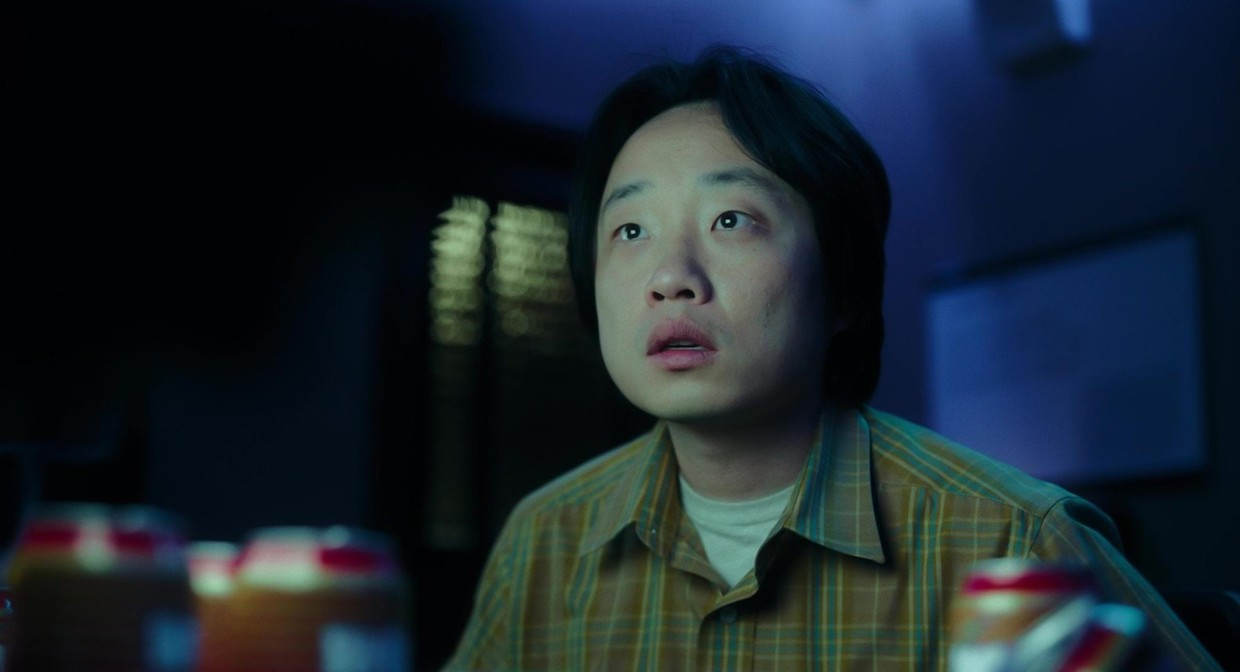
The episode begins with Willis fully embracing his role as the precinct's tech guy, a position that grants him access to information that was previously out of reach. In the solitude of his room, Willis starts searching for files related to his brother, only to stumble upon recordings of the "Kung Fu Guy." The footage triggers a flood of memories, as Willis recalls his brother teaching him kung fu moves, a shared past that now seems both distant and intimately connected to the mystery at hand.
As Willis and Lana spend time together watching the recordings, they are drawn into a world that feels like a movie, complete with the comfort of popcorn. The videos they watch reveal that Willis's brother had been working undercover for the police as part of a secret operation. This revelation adds a new dimension to the brother's disappearance, suggesting a deeper level of intrigue and danger.
After Lana leaves, Willis discovers a folder titled "Operation Kung Pao," which contains recordings of his brother meeting with the painted faces. The shocking content leads Willis to question whether his brother was not just involved with but perhaps the leader of the painted faces. His suspicions are further deepened when he watches a recording of his brother murdering a cop who had been his partner. In a desperate attempt to protect his brother's reputation, Willis deletes all the data concerning him from the police database and returns home, grappling with the weight of what he has seen.
Back at home, Willis is haunted by the tape with his brother's voice. He uses the ambient sounds from the tape to reconstruct his brother's final movements, a process that leads him through a trap door and into a series of tunnels. This journey is both physical and metaphorical, as Willis navigates the hidden pathways of Chinatown, eventually emerging in Uncle Wong's room at the restaurant.
The discovery in Uncle Wong's room is a turning point in the episode, as it suggests that the secrets of Chinatown run deeper than anyone could have imagined. The room itself is a symbol of the hidden layers within the community, a place where secrets are kept and where the truth about the painted faces and the brother's involvement may finally be revealed.
Throughout the episode, the theme of memory and its reliability is explored. Willis's memories of his brother are challenged by the evidence he uncovers, forcing him to confront the possibility that the brother he knew may have been leading a double life. This internal conflict is mirrored in the external world, as Willis struggles with his role within the community and the expectations placed upon him.
"Kung Fu Guy" is a powerful episode that deepens the narrative of "Interior Chinatown" by exploring the complexities of family, loyalty, and the search for truth. Willis's journey through the tunnels of Chinatown is a metaphor for the journey he must undertake within himself, as he seeks to understand the brother he thought he knew and the secrets that Chinatown holds. This episode is a testament to the show's ability to blend mystery, drama, and cultural commentary in a way that is both engaging and thought-provoking.