
In the gripping seventh episode of Law & Order's 24th season, titled "Truth and Consequences," the series delves into the complex layers of personal and political motivations that can drive individuals to commit heinous acts. The episode unfolds with a murder at Hudson University, where the victim, Charles Bennett, a journalism professor, is found dead in his home. The case takes a twisted turn as detectives and prosecutors navigate the treacherous waters of political activism, personal biases, and the pursuit of justice.
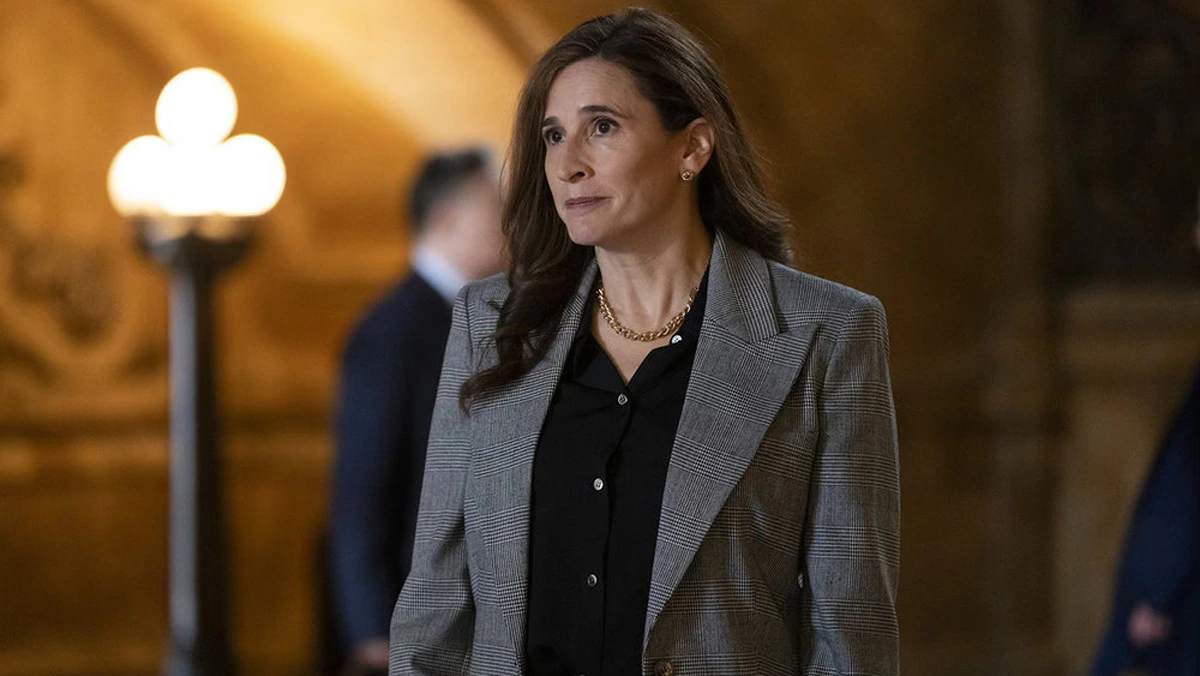
The episode begins with a backdrop of escalating protests at Hudson University, where the faculty is concerned about the impact of the protests on student attendance. The tension on campus is palpable, and the debate over involving the police to manage the situation highlights the broader societal issues at play.
The murder of Charles Bennett, a 43-year-old journalism professor, sets the stage for an investigation that will test the limits of the law and the personal resolve of those involved. With no signs of forced entry and a potential murder weapon—a golf club—detectives must piece together the puzzle of who could have wanted Bennett dead.
As the investigation progresses, the victim's wife, Judge Madeline Bennett, becomes a central figure in the case. Her initial alibi is called into question, and the detectives uncover discrepancies in her timeline. This revelation adds a layer of complexity to the case, as Judge Bennett's credibility is now in doubt.
The detectives' investigation leads them to a neighbor with a violent history, who was recently released on bail. Footage showing this individual near the Bennett house at the time of the murder raises suspicions. However, the neighbor denies any involvement, and the detectives are left to search for solid evidence.
Amidst the political complexities, a law student, Thomas Norton, emerges as a suspect. His anti-Israel activism and a revoked job offer provide a motive for the murder. Video evidence places him at the Bennetts' house shortly before the murder, and his arrest sets the stage for a contentious trial.
The prosecution faces challenges as they present their case against Norton. The defense argues that the case is built on circumstantial evidence, and the possibility of a plea deal looms large. The political implications of the case are not lost on the police and prosecutors, who must navigate the delicate balance between justice and public perception.
Witness testimonies add another layer to the case. Daniela Rojas, who testifies that she was with Norton shortly before the murder, is discredited by the defense due to her undocumented status. This revelation puts additional pressure on the prosecution to secure a conviction.
Judge Bennett's dilemma is palpable as she grapples with the potential fallout of her testimony. Her private struggles could be exposed, and the pressure from the prosecution to testify in the case is mounting. The mayor's intervention to protect Judge Bennett's reputation leads to a plea deal for Norton, who ultimately pleads guilty to manslaughter.
The episode concludes with Norton's sentencing to 12 years in prison, a reflection of the intertwining of personal motives and political tensions. The detectives and prosecutors are left to reflect on the case's complexities, particularly the political implications tied to the judge's testimony and the protest movements.
"Truth and Consequences" is a powerful episode that showcases the intricate web of politics, personal biases, and the relentless pursuit of justice. It serves as a reminder that in the world of Law & Order, the truth is often more complicated than it appears, and the consequences of our actions can have far-reaching effects.