
In "Lessons in Chemistry" Season 1, Episode 4, titled "Primitive Instinct,"
Elizabeth Zott's journey takes a dramatic turn as she navigates the challenging
waters of motherhood and grief. The episode is a powerful exploration of the
complexities of being a single mother in the 1950s, dealing with the loss of her
partner Calvin and the daunting task of raising their daughter, Mad, named so
due to the overwhelming emotions Elizabeth experiences during childbirth .
The episode opens with Elizabeth in the hospital, surrounded by the sounds of other women in labor. The pressure and pain of childbirth are palpable, and the nurse's administration of anesthesia without her consent leads to a hallucinatory moment where Elizabeth sees Calvin, her late partner, encouraging her . This moment, while brief, is a poignant reminder of the deep love and loss that has shaped Elizabeth's life.
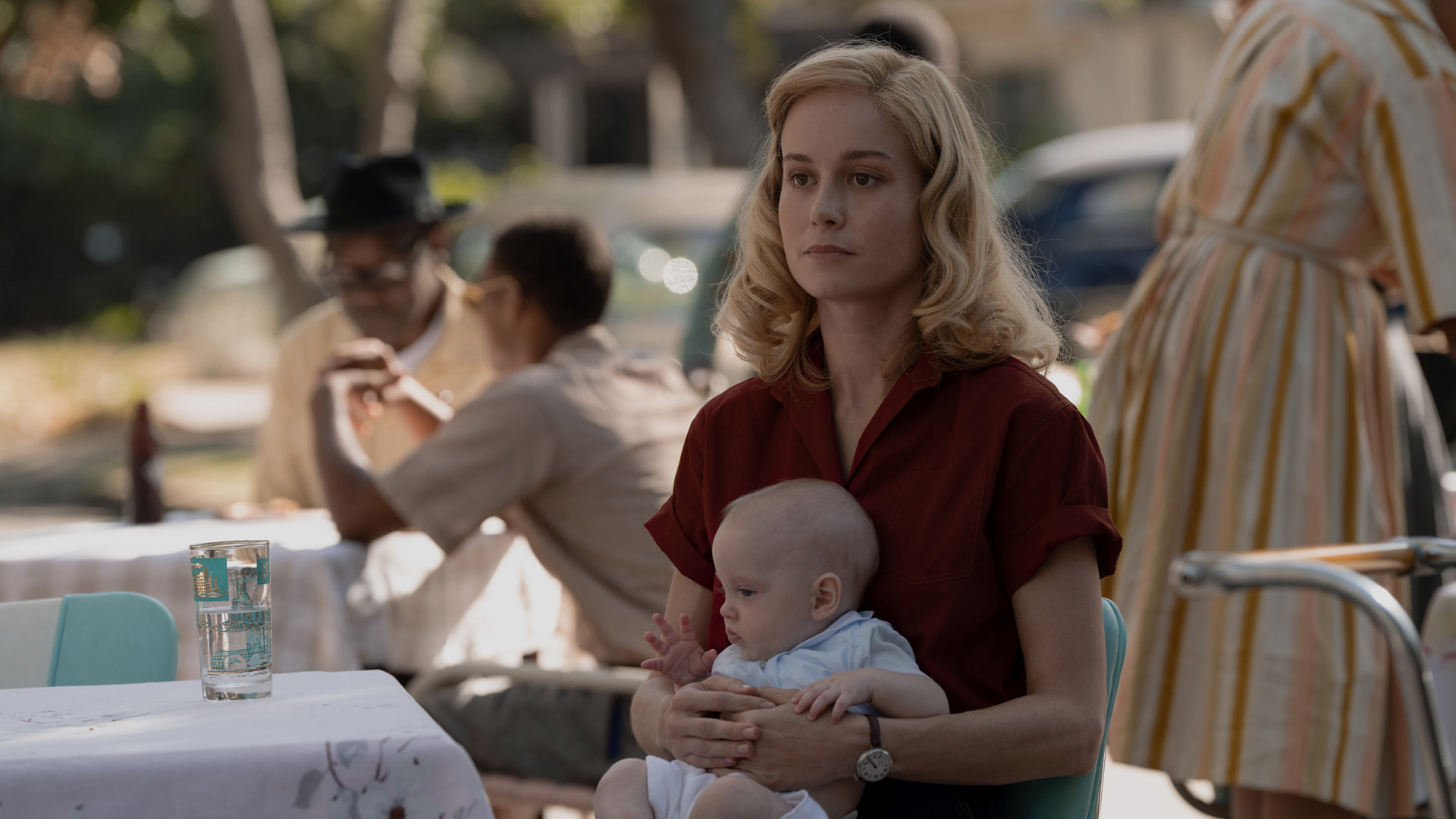
Post-childbirth, Elizabeth struggles to connect with her newborn, feeling an absence of the instant bond that is often expected between mother and child. Her frustration and confusion are evident as she tries to soothe Mad, with Calvin's apparition providing comfort in his absence . This struggle is a raw portrayal of the realities of motherhood, which is not always an immediate and natural connection for some women.
The challenges Elizabeth faces are not just emotional but also practical. She confronts the harsh reality of being a single mother with limited financial resources. Her attempts to secure a second mortgage are denied, highlighting the societal barriers she must overcome . To make ends meet, Elizabeth starts a clandestine consulting business, helping the chemists at Hastings with their research for a fee. This not only provides her with much-needed income but also reveals the theft of her and Calvin's research by Dr. Donatti and Dr. Boryweitz .
Elizabeth's discovery of the theft and the subsequent confrontation at Hastings Lab is a pivotal moment. She is met with the cold truth that her work has been used to secure the Remsen Grant for the lab, and her name is merely acknowledged in the research paper . This injustice fuels her determination to continue her research and find a way to surpass those who have wronged her.
Throughout the episode, the friendship between Elizabeth and Harriet Sloane is a beacon of support and understanding. Harriet's own experiences with motherhood and her regrets about not finishing law school provide Elizabeth with a sense of camaraderie and validation . Their conversations about the challenges of motherhood and the sacrifices they've made for their families are both heartwarming and heartbreaking. The episode also explores the racial tensions and systemic racism of the time through Harriet's storyline. Her fight against the construction of a highway through her neighborhood and her interactions with the legal system highlight the broader societal issues at play .
As the episode progresses, we see glimpses of Elizabeth's life seven years in the future, where she has found a way to balance her role as a mother and a scientist. The reveal that Walter, the producer of "Supper at Six," offers Elizabeth a job hosting her own cooking show is a significant turning point . This opportunity not only provides her with a platform to share her passion for food and science but also sets the stage for her to become a role model for women, advocating for independence and self-fulfillment.
In conclusion, "Primitive Instinct" is a powerful and emotional chapter in Elizabeth Zott's story. It delves into the raw realities of motherhood, the resilience required to overcome personal and societal obstacles, and the slow but steady path to healing and self-discovery. The episode is a testament to the strength of character that defines Elizabeth Zott and a fitting continuation of the "Lessons in Chemistry" narrative .