
In the seventh episode of "Monsters: The Lyle and Erik Menendez Story,"
titled "Showtime," the series shifts its focus to the legal proceedings that
would define the brothers' fate. The episode opens with a heartbroken Dunne in
1983, reflecting on a past murder case that has striking parallels to the
Menendez trial. This historical backdrop sets the stage for a riveting
exploration of the brothers' struggle to find witnesses to substantiate their
father's abuse.
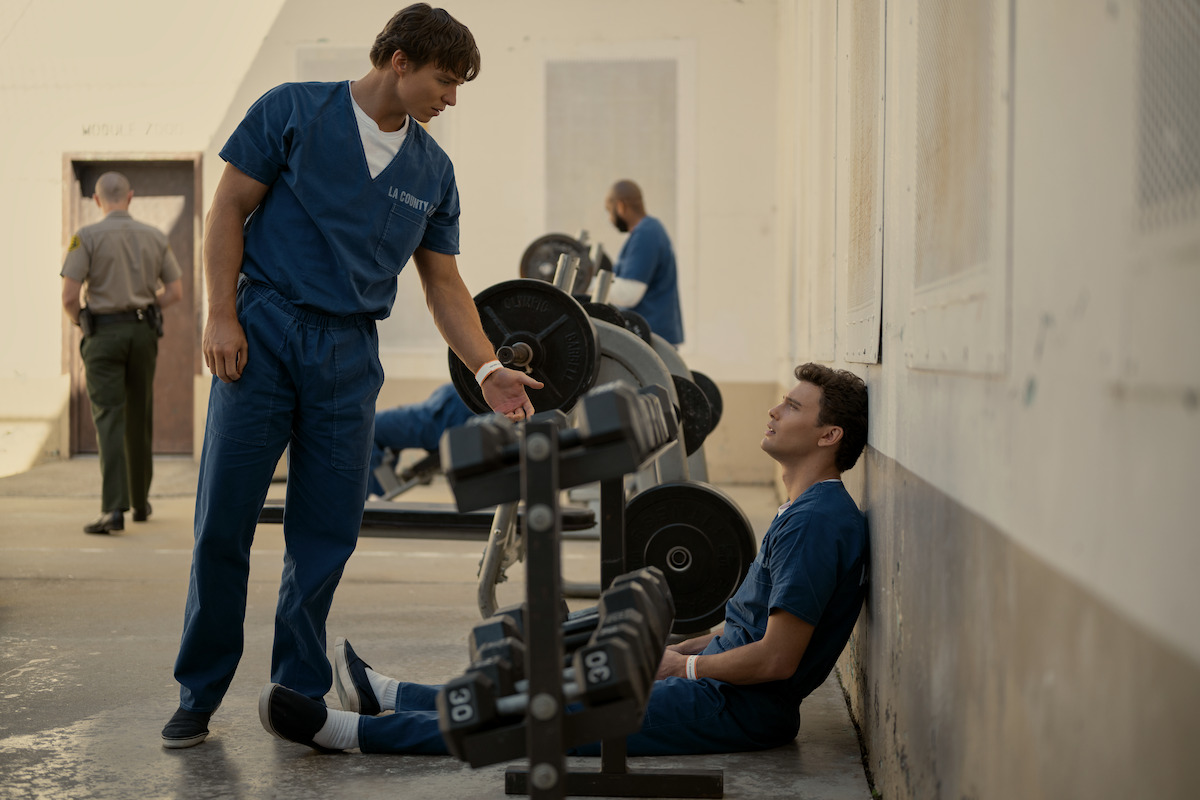
Lyle's desperation is palpable as he attempts to gather evidence of José's abusive behavior, only to be met with rejection and skepticism. His suggestion to Jamie to fabricate a story of attempted rape by José is a testament to his growing desperation and the lengths he is willing to go to prove their justification for the murders.
The episode delves into the brothers' time behind bars, where Lyle receives letters from admirers, including a flirtatious exchange with a woman named Norma. This correspondence becomes a lifeline for Lyle, even as Erik's emotional state begins to deteriorate in the absence of his friend Tony. Erik's vulnerability is laid bare as he opens up to Dr. Vicary, revealing the depth of his emotional turmoil.
As the trial commences, Lyle's testimony about the events leading up to their parents' death is a pivotal moment in the episode. His initial fabrication of a story involving their parents possessing guns is met with Leslie's disapproval, prompting Lyle to finally convey the gravity of the abuse they suffered. His emotional breakdown, marked by tears and a sobering account of the abuse, is a powerful and heart-wrenching moment that humanizes the brothers and adds depth to their narrative.
The episode contrasts the public's fascination with the brothers, as seen by the adoring fans outside the courthouse, with Dunne's own struggle to reconcile the brutality of the case with his preconceived notions of justice. Dunne's confrontation with Leslie over her defense strategy highlights the media's role in shaping public opinion and the biases that can cloud the pursuit of truth.
Dunne's own biases are challenged as he grapples with the brothers' claims of abuse and his initial skepticism is shaken by Lyle's testimony. His visit to Leslie's home, where he apologizes for potentially misjudging the case, is a significant turning point that underscores the complexity of the Menendez story.
In prison, Lyle's boastful attitude about his courtroom performance to Norma is a stark reminder of the brothers' celebrity status, even as they await their fate. However, this braggadocio is undercut by the revelation that Norma has been recording their conversations, adding another layer of intrigue to the brothers' legal predicament.
"Showtime" is a compelling episode that delves into the intricate dynamics of the Menendez trial, offering a nuanced portrayal of the brothers' struggle for justice and the media's role in amplifying their story. The episode is a masterful blend of legal drama and character study, providing a thought-provoking examination of the Menendez case and the public's fascination with true crime.