
In the seventh episode of "My Brilliant Friend" Season 2, titled "Ghosts,"
the narrative delves deeper into the complexities of motherhood, sacrifice, and
the enduring bonds of family. This haunting installment, written by Elena
Ferrante, Francesco Piccolo, Laura Paolucci, and Saverio Costanzo, and directed
by Costanzo, is a poignant study of the characters' inner struggles and the
harsh realities they face in their quest for autonomy and happiness.
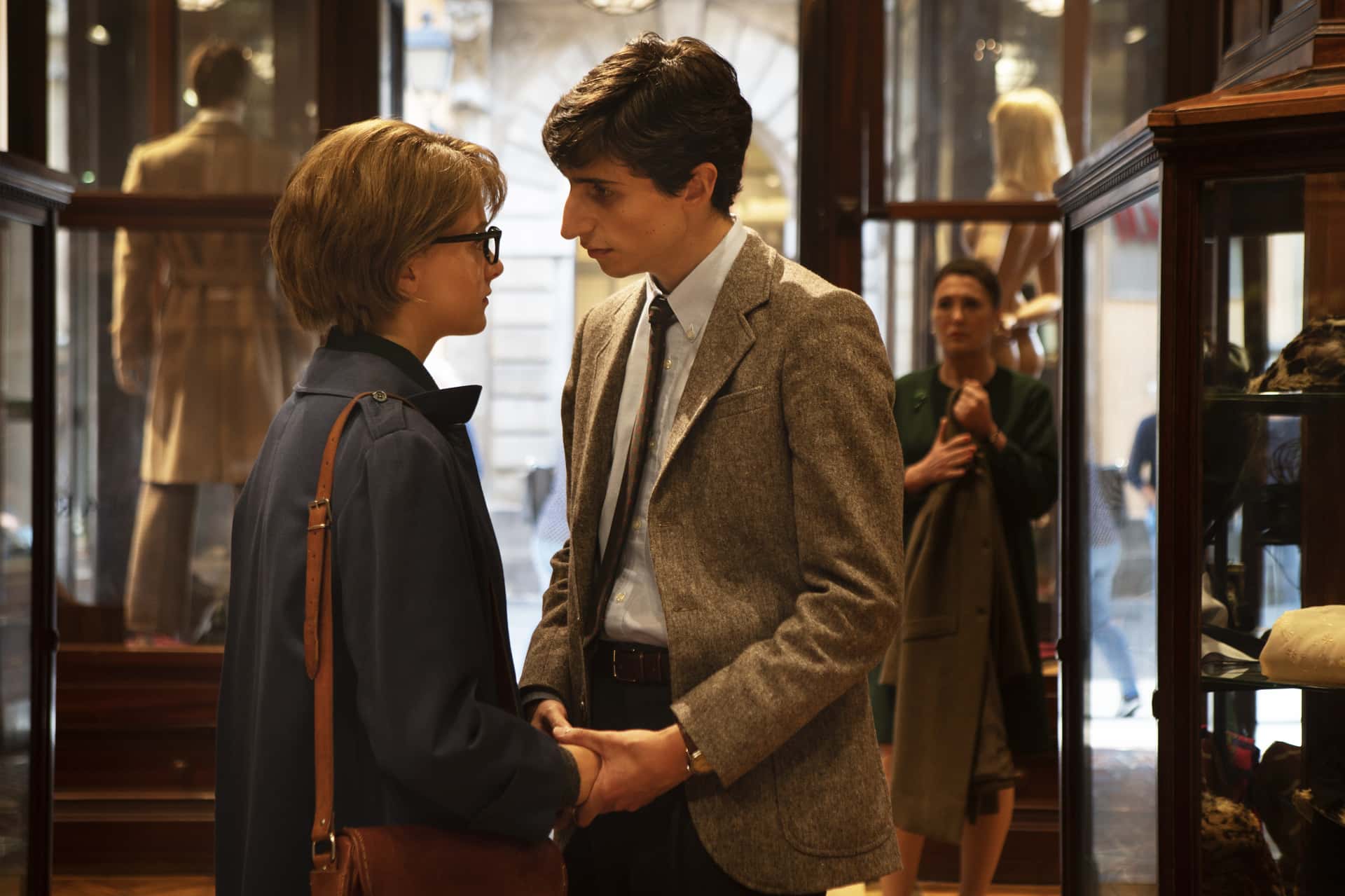
The episode opens with Elena Greco in the throes of a feverish illness, her body and spirit weakened by the relentless winter in Pisa. As she lies in her bed, the lines between reality and dream blur, and she is visited by a comforting figure from her past—her mother, Immacolata Greco. This seemingly dreamlike encounter is a powerful symbol of the maternal bond that transcends physical distance and the harshest of conditions.
Elena's journey to Pisa was meant to be a clean break from her troubled past in Naples, but the neighborhood's gray shadows continue to loom over her, manifesting in the form of Lila's notebooks. These diaries, entrusted to Elena by her childhood friend, serve as a tangible connection to the life she left behind and the friend she has tried to forget.
As Elena reads through Lila's words, we are transported back to Naples, where Lila's life has taken a dramatic turn. After Enzo Scanno brings her back to Stefano's, she confronts him with the truth about her child's paternity. Stefano, unable to accept the reality of the situation, descends into a spiral of denial, rage, and violence.
Lila's dedication to her son, Rino, and her nephew, Dino, is a stark contrast to the neglect she experienced in her own childhood. She pours her energy into nurturing their intelligence and well-being, a testament to her fierce determination to break the cycle of poverty and abuse that has plagued her family.
The episode is punctuated by moments of profound emotional resonance, as we witness Lila's maternal instincts and her unwavering love for her child. These scenes are brought to life by Girace's nuanced performance, which captures the essence of Ferrante's writing and the depth of Lila's character.
However, Stefano's jealousy and insecurity ultimately lead to a devastating confrontation. His refusal to accept the truth about Rino's parentage culminates in a horrifying act of violence, as he rapes Lila while their child sleeps nearby. This harrowing scene is a stark reminder of the brutal realities faced by women in their society and the lengths to which some men will go to assert their dominance and control.
In the midst of this turmoil, Lila seeks solace in the one person she believes can understand her plight—Enzo. She asks Elena to deliver a message to him, signaling her desperation and the hope that he can provide the support she so desperately needs.
The episode also explores the complex relationship between Elena and her mother, Immacolata. Despite the physical distance between them, Immacolata's instinct to care for her daughter is unshakeable. Her journey to Pisa, a place she has never been, is a testament to the power of maternal love and the lengths to which a mother will go to protect her child.
"Ghosts" is a haunting and powerful episode that lingers long after the credits roll. The visual storytelling, the emotional depth of the characters, and the haunting themes of motherhood and sacrifice are masterfully woven together to create a compelling narrative that resonates with viewers on a profound level.
As the episode draws to a close, Elena is left to grapple with the weight of Lila's words and the knowledge of the suffering her friend endures. The final image of Elena casting the notebooks into the river is a poignant symbol of her struggle to let go of the past and the pain it holds, even as she knows that the memories and the ghosts of her childhood will never truly be erased.
In "Ghosts," HBO's "My Brilliant Friend" continues to captivate audiences with its rich storytelling and its unflinching portrayal of the human condition. This episode, like the novels that inspired it, is a testament to the power of cinema to illuminate the depths of the human experience and to challenge us to confront the ghosts that haunt us all.