
The intricate tapestry of Pachinko's narrative continues to unravel in Season 2, Episode 6, titled "Chapter Fourteen," where the timelines converge and diverge, offering a rich exploration of identity, sacrifice, and the complexities of love. As the Baedal family's story unfolds across the decades, we are once again reminded of the show's ability to weave a multi-layered narrative that is as heart-wrenching as it is compelling.
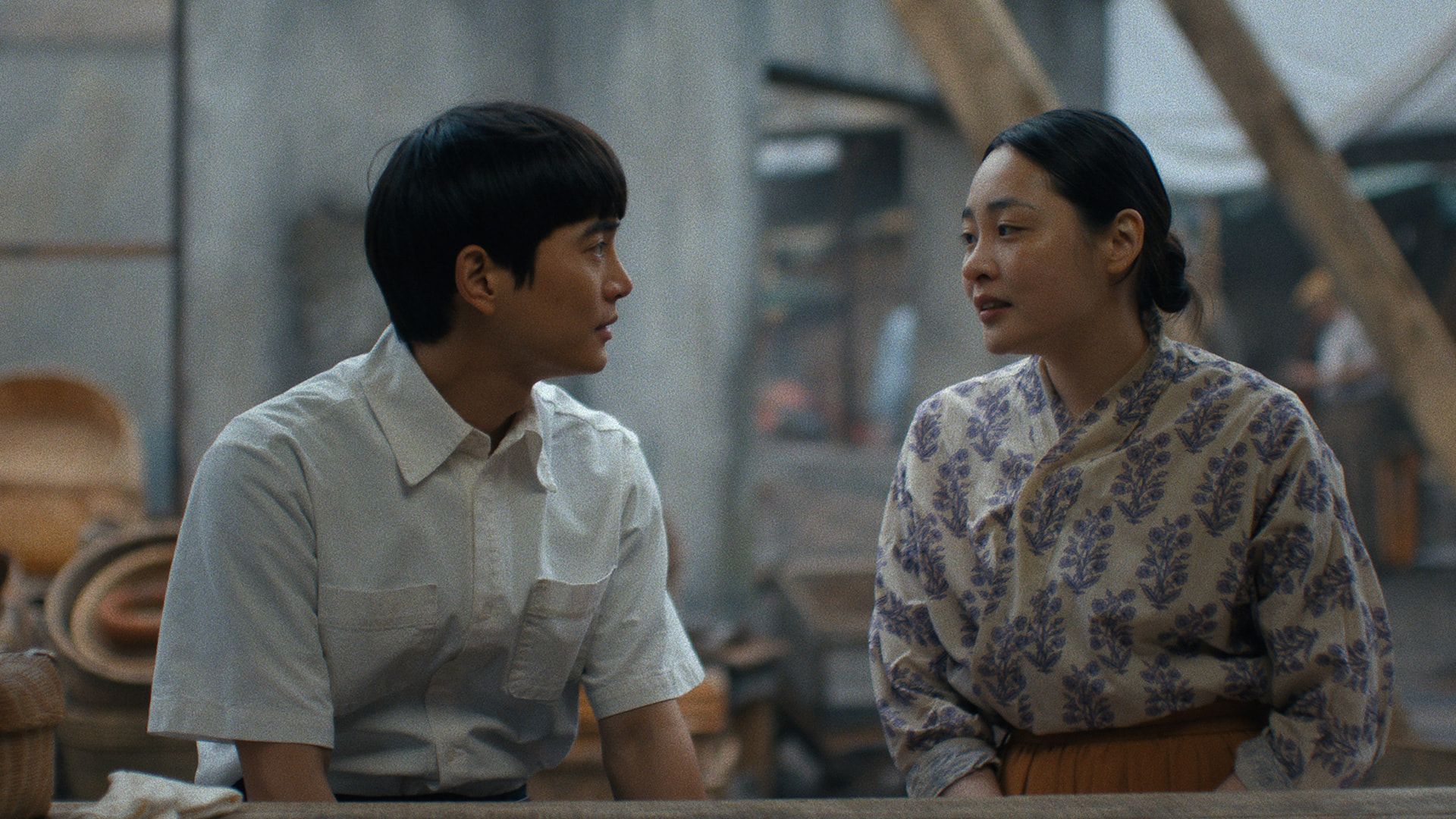
The episode opens with a bittersweet scene between Sunja and Kato, a Japanese man with whom she's developed a close relationship. Their shared love for feeding birds has blossomed into something more, and their enjoyment of a Mexican meal is a testament to Sunja's journey from a hardworking noodle maker to a woman who can now sit back and enjoy the fruits of her labor. However, the moment is tinged with irony, as Sunja's past is filled with long hours of toil, and Kato's present is shadowed by financial struggles. His use of a credit card instead of cash hints at his hidden troubles, and we are left to wonder how this will impact their relationship and Sunja's willingness to support him.
Meanwhile, Mozasu's financial woes deepen as he receives a bank document detailing a late fee payment on his loan. The specter of debt looms large, and the fear of financial ruin casts a dark cloud over Mozasu's future. The tension is palpable, and we can't help but hope that his son will be able to save him from this impending disaster. Yet, Mozasu's silence on the matter to Sunja adds another layer of complexity to their relationship, highlighting the often unspoken burdens that family members carry.
Solomon's storyline takes a dramatic turn as he confronts the reality of his relationship with Naomi. The revelation that she is betrothed to another man is a crushing blow, and Solomon's confrontation with her at the dinner table is a poignant moment of cultural and personal clash. Naomi's ties to her Japanese heritage and her family's expectations are in direct conflict with Solomon's desire for a future with her. Their breakup is a heartbreaking reminder of the sacrifices that love often demands, and Solomon's request for Naomi to ensure Abe pays back his loans is a final, bittersweet attempt to protect her from the fallout of their relationship.
The war between North and South Korea casts a long shadow over the lives of the characters, and the Koreans in Japan, including Mr. Kim, are caught in the crossfire. Mr. Kim's patriotic fervor is channeled into violence as he works for Han-Su, but his true feelings are laid bare in his secret meetings with Han-Su, where he is told of plans that will elevate him beyond being merely a enforcer. This glimmer of hope is contrasted with the forbidden love between Kyunghee and Mr. Kim, which persists despite Yoseb's return.
Han-Su's own struggles are highlighted as a new, powerful player enters the black market, threatening his position. The political machinations that have always been a part of Han-Su's life are brought to the forefront as his father-in-law plans to marry Han-Su's daughter off to a politician, revealing a long-held secret about his knowledge of Sunja and Noa. This revelation is a stark reminder of the intricate web of loyalty, power, and survival that defines Han-Su's existence.
Noa's academic success is a bright spot in the episode, but it is quickly overshadowed by the reality of their financial situation. The debate over whether to borrow money from Han-Su or find another way to raise funds for Noa's education is a microcosm of the family's ongoing struggle to balance pride and practicality. Sunja's determination to find a way without relying on Han-Su is a testament to her resilience and her desire to maintain their independence.
The episode concludes with a powerful scene between Sunja and Noa at the tofu shop, a place that holds a special place in Noa's heart. Sunja's reflections on her own journey from Yeongdo to Japan and her realization that Osaka is not Noa's heaven are a poignant reminder of the sacrifices she has made for her children. Noa's decision to go to college, despite his initial reluctance, is a testament to his mother's influence and his own desire to honor the promise she made to his father.
In "Chapter Fourteen," Pachinko once again demonstrates its mastery of storytelling, deftly navigating the complexities of identity, love, and sacrifice. The characters' journeys are as intertwined with the historical events that shape their world as they are with their personal struggles and desires. As the episode draws to a close, we are left with a sense of the profound resilience of the human spirit and the enduring power of family ties.