
In the heart of Xinjiang's Altay region, where the horizon stretches as wide as the dreams of its inhabitants, the fifth episode of "To the Wonder" unfurls a rich tapestry of cultural traditions and the complexities of modern life. The episode opens with the culmination of a journey, as the intrepid trio—Li Wenxiu, her mother Zhang Fengxia, and her grandmother—finally arrive at the summer pastures, a place of breathtaking beauty and serene tranquility.
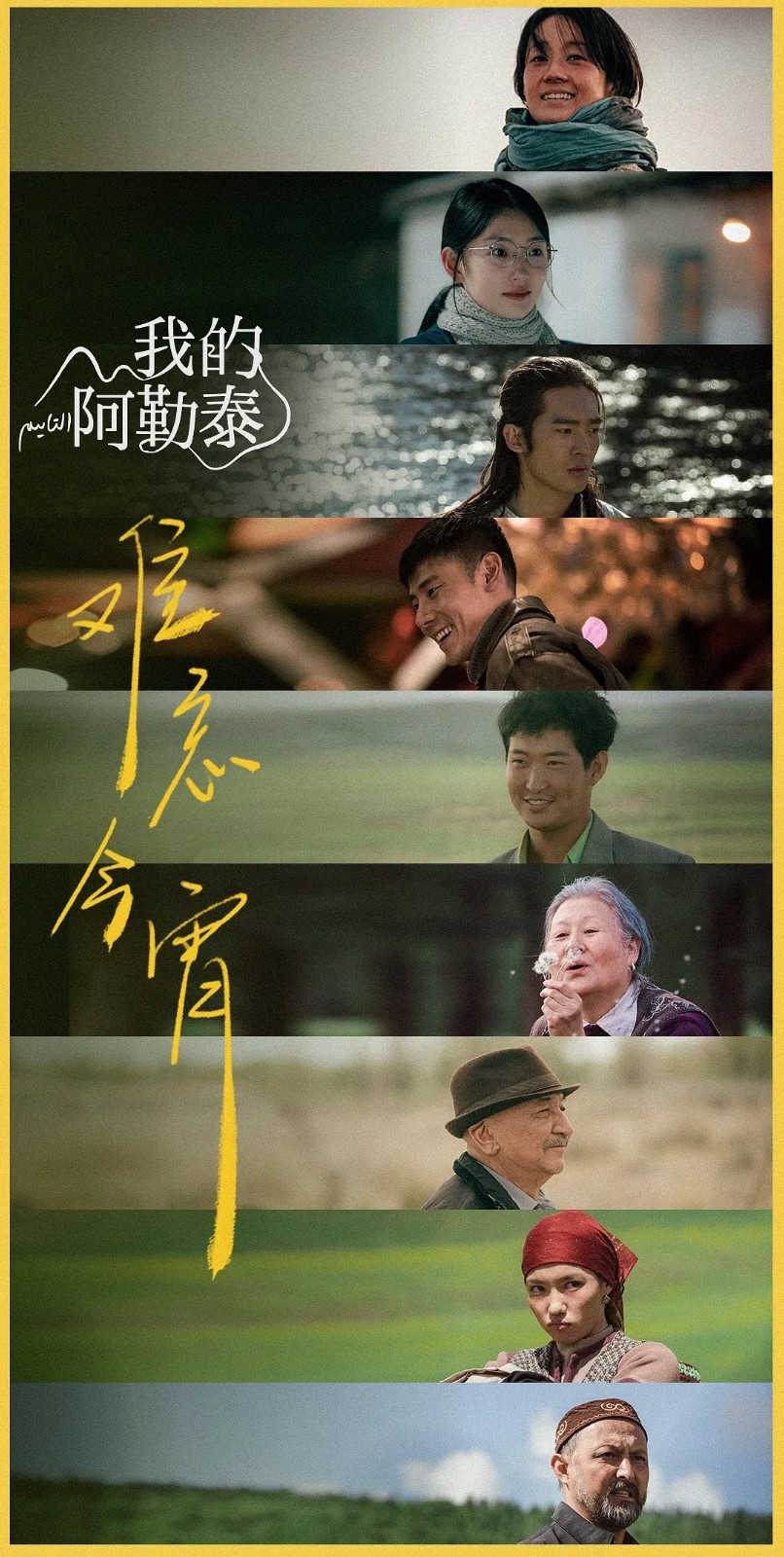
However, the picturesque setting belies the challenges that come with establishing a new life. The family's tent, a symbol of their resilience and hope, springs a leak, prompting Li Wenxiu into action. Under the cloak of night, she patches it with plastic sheets, a testament to her resourcefulness and determination. This scene is a microcosm of the larger narrative, where the characters must navigate the delicate balance between preserving their heritage and adapting to contemporary realities.
The episode delves into the profound cultural significance of livestock in the lives of the Kazakh people. Cattle and sheep are not merely sources of sustenance but are deeply woven into the social and spiritual fabric of the community. As the characters interact with their environment and each other, the audience is given a glimpse into a way of life that is both ancient and vibrantly alive.
In a dramatic twist, Gao Xiaoliang, a character who finds himself lost in the unforgiving wilderness known as the "Land of Death," is rescued by Zhang Fengxia. This encounter is not merely a rescue but a symbolic passing of the torch, as Zhang Fengxia, with the wisdom of experience, guides the younger generation through the trials of life. Her retrieval of a wolf's tooth from a tree is a poignant moment that speaks to the reverence of nature and the traditions that have been passed down through generations.
The fifth episode of "To the Wonder" is a poignant exploration of the human spirit's resilience and the enduring power of cultural heritage. It is a story that resonates with the universal themes of family, community, and the struggle to maintain one's identity in the face of change. The characters' interactions with the land, their animals, and each other paint a vivid portrait of a community that is as complex as it is compelling.
As the episode progresses, the audience is drawn into the intricate dance between tradition and modernity. The characters must confront their own beliefs and values as they strive to build a future that honors their past. The narrative is a reminder that while the world around us may change, the essence of who we are and where we come from remains a constant.
"To the Wonder" continues to captivate with its authentic portrayal of life in the Altay region. The fifth episode, in particular, stands out for its ability to weave a narrative that is both grounded in the realities of rural life and elevated by the poetic beauty of its setting. It is a story that invites viewers to reflect on the importance of cultural preservation and the indomitable spirit of those who call such a place home.
In conclusion, the fifth episode of "To the Wonder" is a masterful illumination of the cultural canvas that defines the lives of its characters. It is a narrative that transcends the boundaries of time and place, offering a universal message of hope, resilience, and the unbreakable bonds of community. As the story unfolds, viewers are left with a profound sense of wonder and a deeper appreciation for the tapestry of human experience that is so vividly captured in this remarkable series.