
In the sophomore episode of Hulu's "Interior Chinatown," titled "Delivery Guy," the narrative continues to challenge and deconstruct the stereotypes and invisibility that plague the Asian American community. This episode is a testament to the show's ability to weave a compelling story while providing a critical examination of societal norms and expectations.
The episode commences with a grim discovery at a construction site—a murder that sets the tone for the investigative journey that Lana and Willis embark upon. Lana, despite her expertise, is sidelined by Detectives Green and Turner, who dismiss her contributions and treat her as an outsider. This dynamic is a stark reflection of the systemic marginalization that many Asian Americans face in their professional lives.
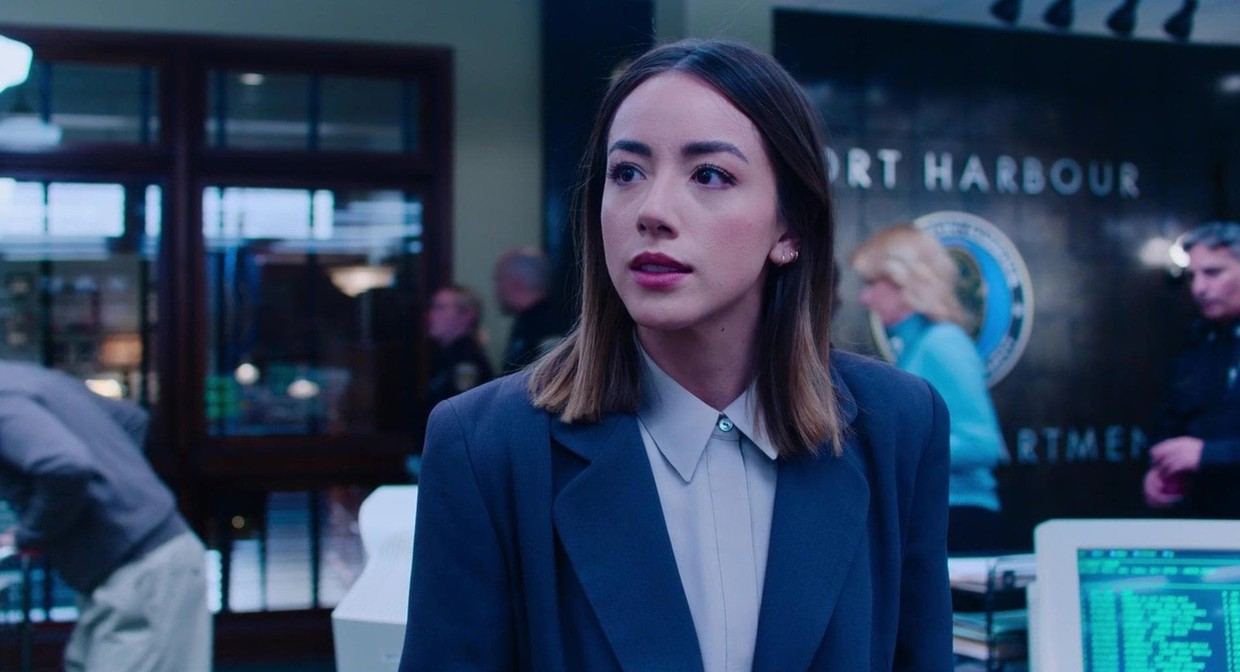
As Lana and Willis venture beyond the confines of Chinatown, crossing an underpass that symbolizes the cultural divide, Lana discloses a cover-up surrounding the disappearance of Willis's brother. The revelation adds a layer of personal stakes to Willis's involvement in the case, driving him to assist Lana in retrieving incriminating files from the precinct office.
At the headquarters, Willis's account of seeing the deceased nail salon woman is met with Lana's presentation of mortuary reports, a moment that underscores the show's commitment to addressing the issue of invisibility. Lana's struggle to be acknowledged by Green and Turner is mirrored by Willis's own invisibility, as he is completely ignored by the detectives, despite his desperate attempts to gain their attention.
The duo's pursuit of leads takes them to an exotic pet shop, where they encounter a suspect in the construction site murder. The pet shop owner's claim of stolen venomous snakes adds a twist to the case, leading Willis to whisper an answer to Lana, pointing to a black market operating out of a laundromat. This scene is a testament to Willis's intelligence and resourcefulness, qualities that are often overlooked due to his background.
Back at the restaurant, Fatty's reluctant takeover of Willis's job as a waiter provides a moment of levity amidst the tension. His frustration with customers reflects the underlying resentment towards the expectations placed upon them, and his outburst is both unexpected and humorous, highlighting the show's ability to balance serious themes with moments of comedy.
The investigation leads to a raid on the laundromat by Green and Turner, but they find no evidence to support their suspicions. Meanwhile, Lana and Willis return to the construction site, where they uncover the pet shop owner's footwear, leading to the conclusion that the crime was staged to implicate the animal black market. This development is a testament to the duo's investigative skills and their ability to see beyond the surface of the case.
Despite Lana's efforts to help Willis enter the precinct, he remains barred from doing so, a moment that underscores his sense of not belonging. The pet shop owner's arrest and confession to the murder, followed by Turner's disproportionate focus on the snakes over the Asian victim, further highlight the pervasive racism and disregard for Asian American lives.
In a moment of inspiration, Willis decides to take matters into his own hands, adopting the role of a delivery guy to gain entry to the precinct. His assertion that "Kung-fu isn't the only way out of Chinatown" is a powerful statement on the diversity of Asian American experiences and the refusal to be confined to a single narrative.
"Delivery Guy" is a powerful continuation of "Interior Chinatown's" narrative, offering a nuanced portrayal of the challenges faced by Asian Americans in a world that often overlooks or misunderstands them. The episode's blend of mystery, humor, and social commentary makes it a standout installment in the series, one that continues to push the boundaries of representation and storytelling on television.