
The long-awaited return of Black Mirror brings with it a new season that
delves into the ever-pertinent issues of artificial intelligence, privacy, and
the blurred lines between reality and fiction. In the first episode of season
six, titled "Joan Is Awful," we are introduced to a world where streaming
services have taken a sinister turn, and the concept of personal agency is
challenged like never before.
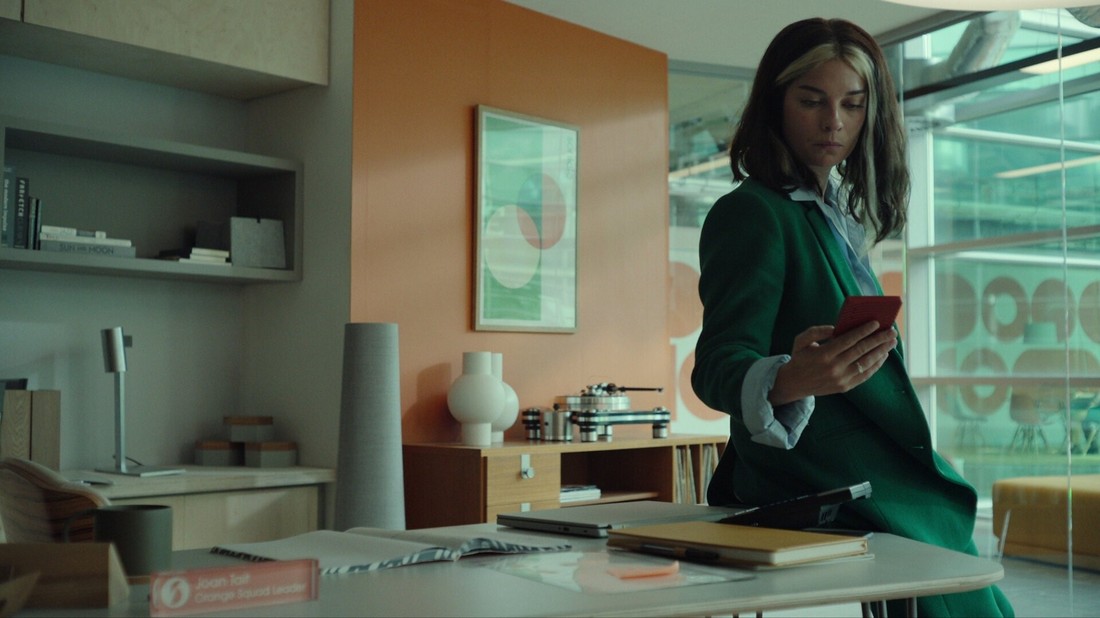
The episode opens with Joan Tait, portrayed by Annie Murphy, leading a seemingly ordinary life. She works at a music streaming company called Sonicle, enjoys a comfortable lifestyle, and is engaged to Krish, a man whose predictability is as stifling as it is comforting. Joan's dissatisfaction with her job and her relationship is palpable, and she yearns for the passion of her past and the dream of owning her own coffee shop.
In a twist that mirrors the often uncanny nature of Black Mirror, Joan discovers that her life has been turned into a streaming series on a platform strikingly similar to Netflix, called Streamberry. The show, also named "Joan Is Awful," stars Salma Hayek and is a distorted reflection of Joan's life, amplifying her flaws and turning her into a character that is both familiar and repulsive.
As the line between Joan's reality and the fictional portrayal of her life blurs, she finds herself losing control of her own narrative. Her relationships crumble as those around her consume the show, and her actions are increasingly shaped by the script of the series. The episode explores the concept of consent and privacy in the digital age, as Joan realizes that she unknowingly signed away her life rights when she agreed to Streamberry's terms and conditions.
The narrative takes a turn when Joan, in a desperate attempt to regain control, forces the hand of the real Salma Hayek by making her digital likeness act out a scene that is sure to provoke a reaction. This leads to a series of events that reveal the true nature of the show-within-the-show-within-the-show, a Russian doll of narratives that question the very essence of reality and free will.
The climax of the episode sees Joan and Salma Hayek's digital likeness teaming up to sabotage the quantum computer that powers the Streamberry algorithm. However, the reveal that their actions are part of a simulation based on the experiences of the "Source Joan" adds a layer of complexity that is both intriguing and confusing.
The episode ends on a hopeful note, with the real Joan now owning a coffee shop and having taken back control of her life. The ending is meant to be cathartic, but it leaves the viewer with more questions than answers. The concept of simulated realities and the ethics of AI-generated content are explored, but the execution feels rushed and lacks the depth that Black Mirror is known for.
"Joan Is Awful" is a mixed bag. It attempts to tackle a multitude of themes, from the impact of AI on creativity to the objectification of women in Hollywood, but it struggles to give each the attention it deserves. The episode's humor, while occasionally landing, often feels forced and detracts from the darker themes it attempts to explore.
The episode's greatest strength lies in its ability to resonate with the current cultural conversation around AI and the ethics of digital representation. It forces viewers to question the extent to which they are willing to engage with technology that blurs the line between what is real and what is fabricated.
In conclusion, "Joan Is Awful" is a bold and ambitious start to the new season of Black Mirror. It may not hit the mark in every aspect, but it undeniably sparks a dialogue about the power dynamics between technology and individuals. As we continue to grapple with the implications of AI in our lives, episodes like these serve as a cautionary tale, reminding us of the importance of maintaining control over our own narratives.